The timeline for building an ecommerce website using ecommerce web design packages depends on several factors, including project scope, product complexity, required integrations, and the level of customization involved. While timelines vary, it’s important to understand that quality ecommerce websites are rarely built overnight.
In a traditional one-time build, timelines are often compressed to meet launch deadlines. While this may result in a functional website, it can limit the depth of strategy, testing, and optimization applied before launch. Ecommerce web design packages take a more realistic approach by focusing on sustainable progress rather than rushed completion.
Typically, the initial launch phase of an ecommerce website may take anywhere from several weeks to a few months. This includes discovery, UX planning, design, development, testing, and launch preparation. The goal of this phase is to deliver a strong foundation—one that is stable, usable, and ready for real customers.
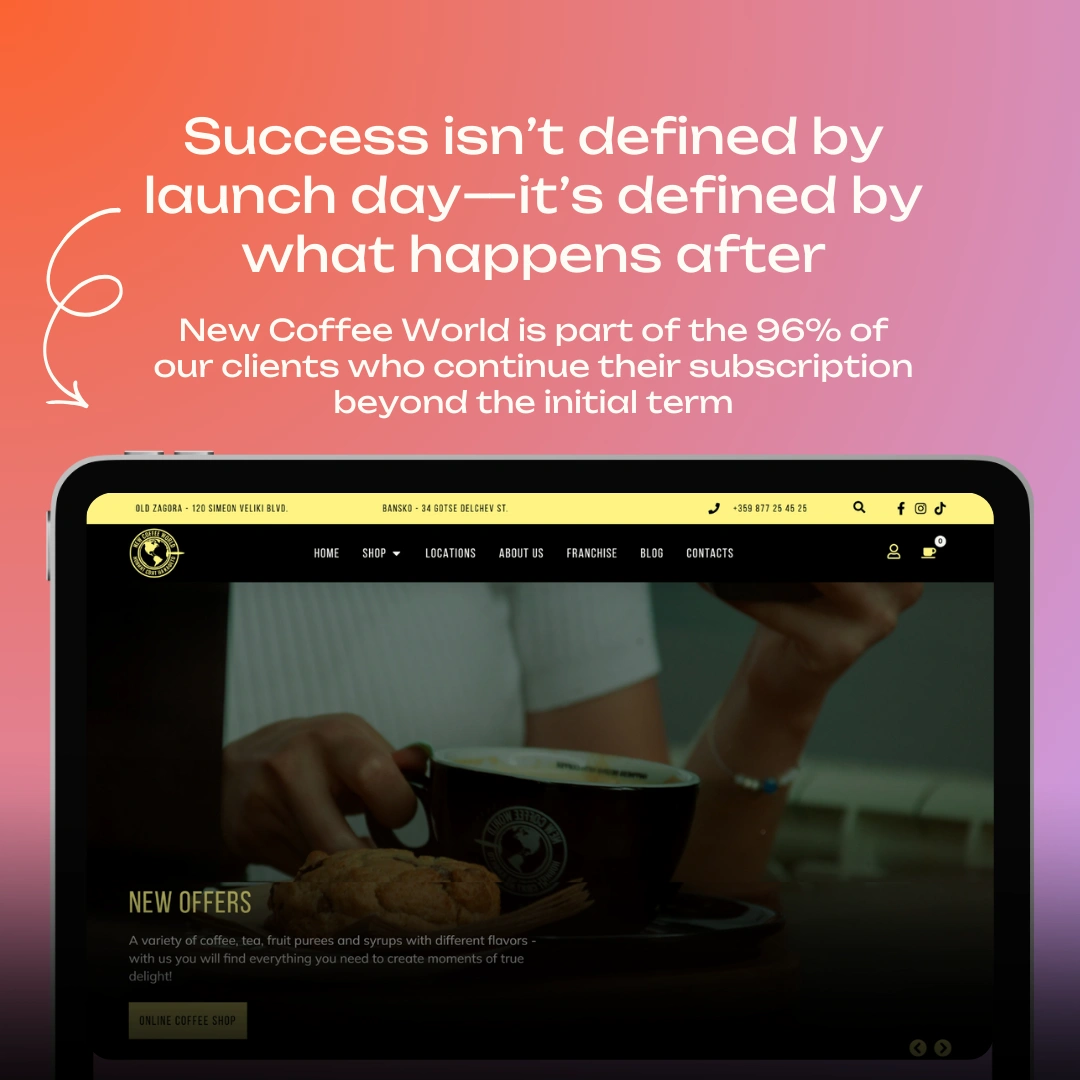
What differentiates ecommerce web design packages is what happens after launch. Instead of treating launch as the end point, packages are designed to continue work beyond go-live. Improvements to design, performance, SEO, and conversion are implemented iteratively, based on real user behavior and performance data.
This approach offers two major advantages. First, it reduces pressure to “get everything perfect” before launch, allowing the business to enter the market sooner. Second, it ensures that the website continues to improve over time rather than remaining static.
Subscription-based ecommerce web design packages are particularly effective in this regard. They allow businesses to prioritize features and improvements over time, adapting the website as products, customers, and business goals evolve. Rather than delaying launch until every possible feature is complete, businesses can focus on launching strong and optimizing continuously.
The key takeaway is that ecommerce web design packages are not about speed alone—they’re about balance. A well-structured timeline ensures quality at launch while leaving room for growth and refinement afterward. This leads to better outcomes than rushing development or relying on infrequent redesign cycles.