

Ecommerce Web Design Packages to Drive Sales
Ecommerce Web Design Packages That Convert
Your ecommerce website is not just a storefront. It’s your primary sales engine.
Our ecommerce web design packages combine custom design, performance optimization, and SEO-ready architecture to turn visitors into customers.






















Our philosophy
An Ecommerce Website Is Never Done
Ecommerce websites don’t fail because of bad launches—they fail because they stop evolving. Customer expectations change, competitors improve, search algorithms update, and buying behavior shifts. A static website quickly loses relevance, speed, and conversion power.
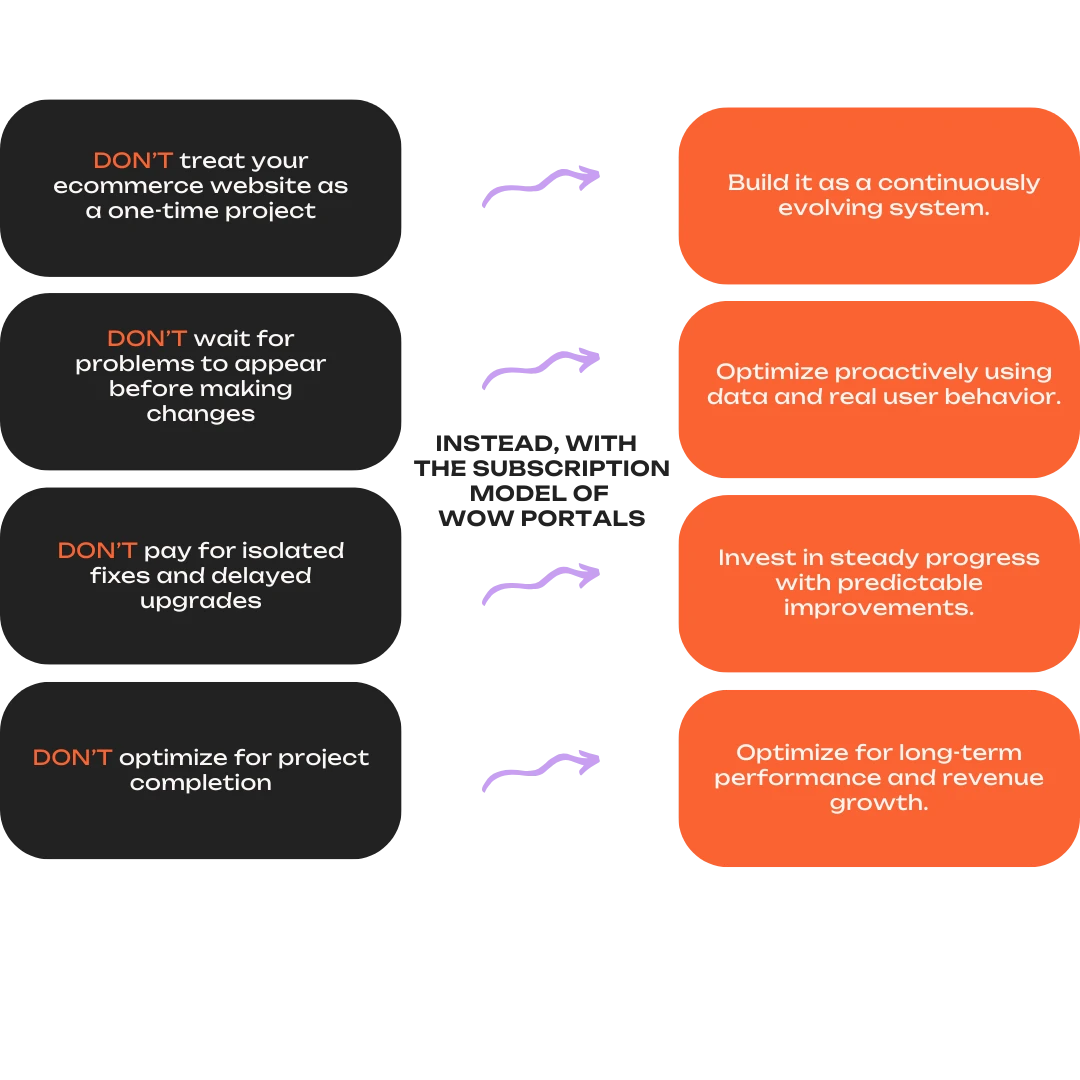
That’s why our ecommerce web design packages are built on a subscription model. Instead of treating your website as a one-off project, we treat it as a living system that continuously improves. Design, performance, SEO, and conversion optimization are refined over time, keeping your store competitive long after launch.
the subscription advantage
Why Subscription-Based Ecommerce Web Design Packages Work
Traditional ecommerce web design ends at launch. Subscription-based ecommerce web design packages are designed to keep delivering value month after month.
With a subscription model, your website doesn’t stagnate. Instead, improvements happen continuously—guided by strategy, data, and real user behavior.
Our ecommerce web design packages align incentives correctly. Your success depends on ongoing performance, not on closing a project. That means faster iteration, smarter decisions, and consistent progress toward higher revenue and stronger brand positioning.
the case of AGE CODE
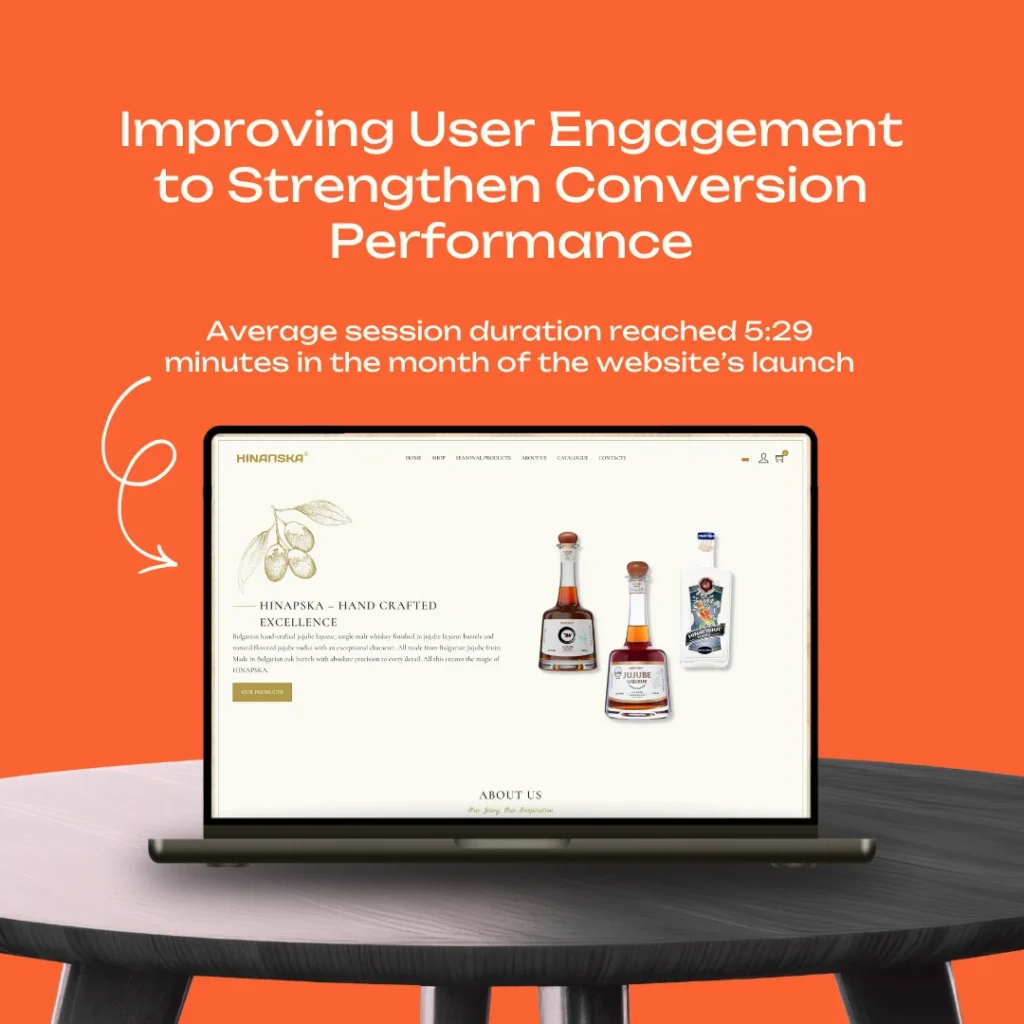
+34% Session Duration, Cart Bounce Rate Down to 6%
After redesigning Age Code’s ecommerce website, we focused on improving usability, clarity, and the overall purchase flow. The result was a 34% increase in average session duration, indicating higher engagement and better alignment with user intent across key pages.
More importantly, the redesign addressed critical friction points in the checkout journey. By simplifying navigation, improving layout hierarchy, and optimizing the cart experience, we reduced the cart bounce rate from over 30% to just 6%.

Continuous Improvement
Ecommerce Web Design Packages Built for Continuous Growth
Launching an ecommerce site is only the starting point. Sustainable growth happens after launch—when real user data, behavioral insights, and performance metrics are continuously analyzed and translated into measurable improvements that compound over time.
Our ecommerce web design packages are built around data-driven and AI-assisted optimization. Using analytics, SEO platforms, and AI-supported analysis, we identify friction points, usability gaps, and performance opportunities, then implement targeted improvements across user experience, speed, structure, and conversion flows. As your business evolves, your website evolves with it—through continuous refinement, not disruptive rebuilds—keeping performance high while avoiding delays and technical debt.








systems, not templates
Ecommerce Web Design Packages Built as Scalable Systems
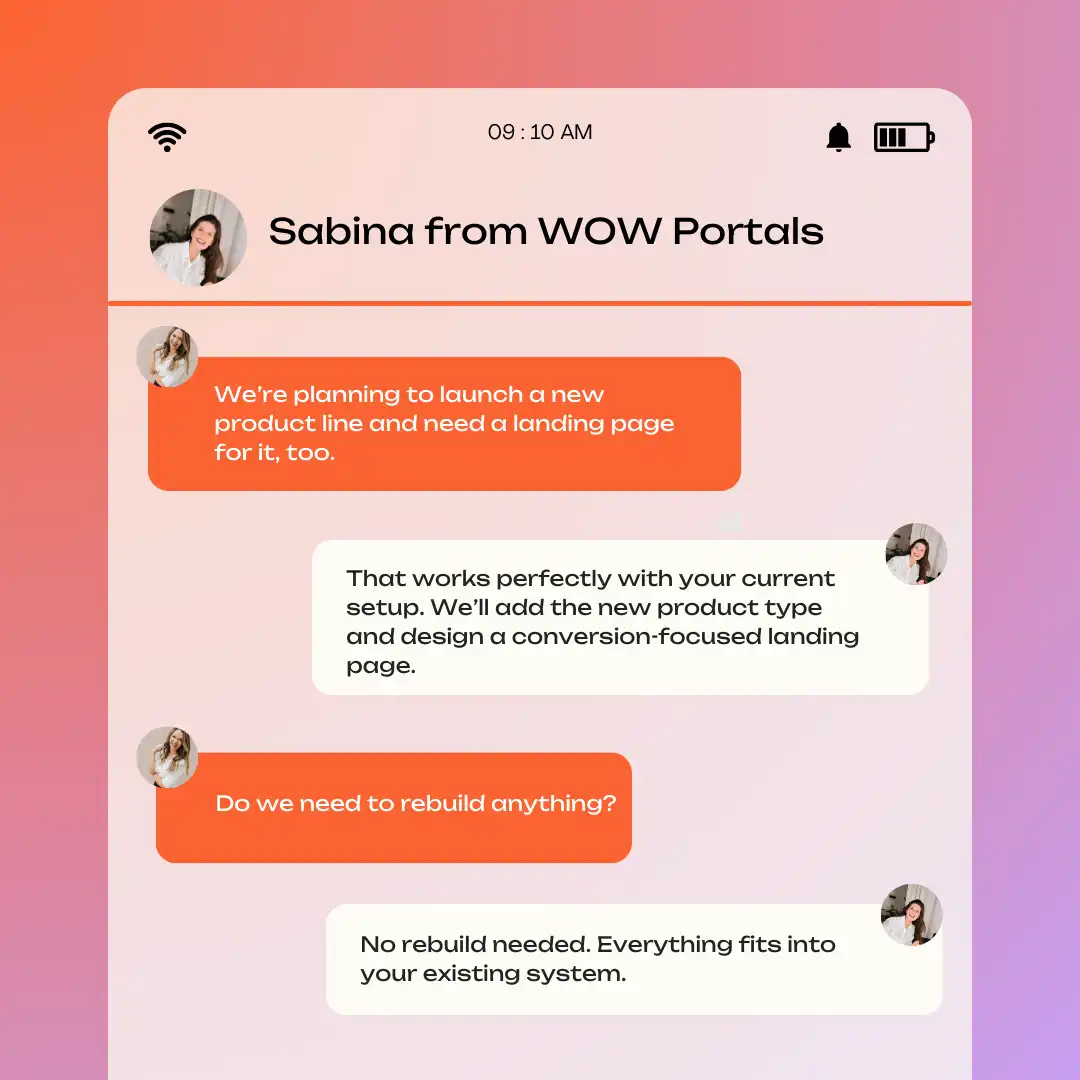
Most ecommerce websites are built as isolated projects. Our ecommerce web design packages are built as systems.
By building on WordPress and WooCommerce, we design modular, scalable architectures that allow your store to grow without breaking. Design systems, reusable components, and clean development practices make it easy to expand product lines, improve layouts, and introduce new functionality over time.
Because your ecommerce website is built as a system—not a rigid structure—it adapts as your business scales, without requiring costly redesigns.
the case of topuni
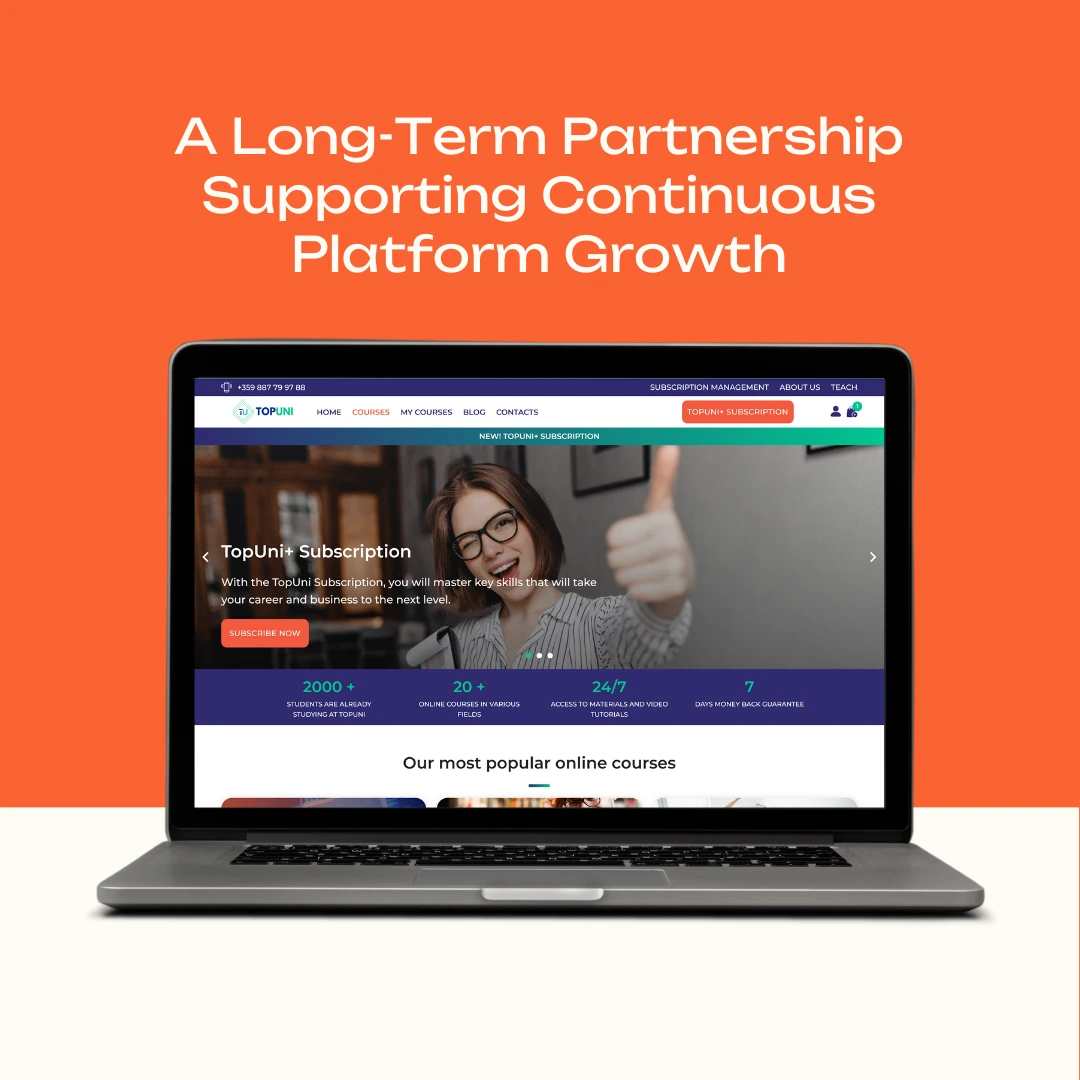
Supporting TopUni’s Platform Evolution for 4+ Years
For TopUni, an online education platform, we built a scalable ecommerce website paired with a dedicated course management system. The two work as a single, unified platform, with full user synchronization for instructors and learners.
TopUni has been continuously working with WOW Portals for over four years. As their platform evolved, they introduced a subscription model, which we integrated seamlessly into the existing system—without rebuilds or technical debt. The result is a flexible platform that continues to grow alongside their business.
SEO Optimization
Ecommerce Websites Built for Long-Term SEO Growth
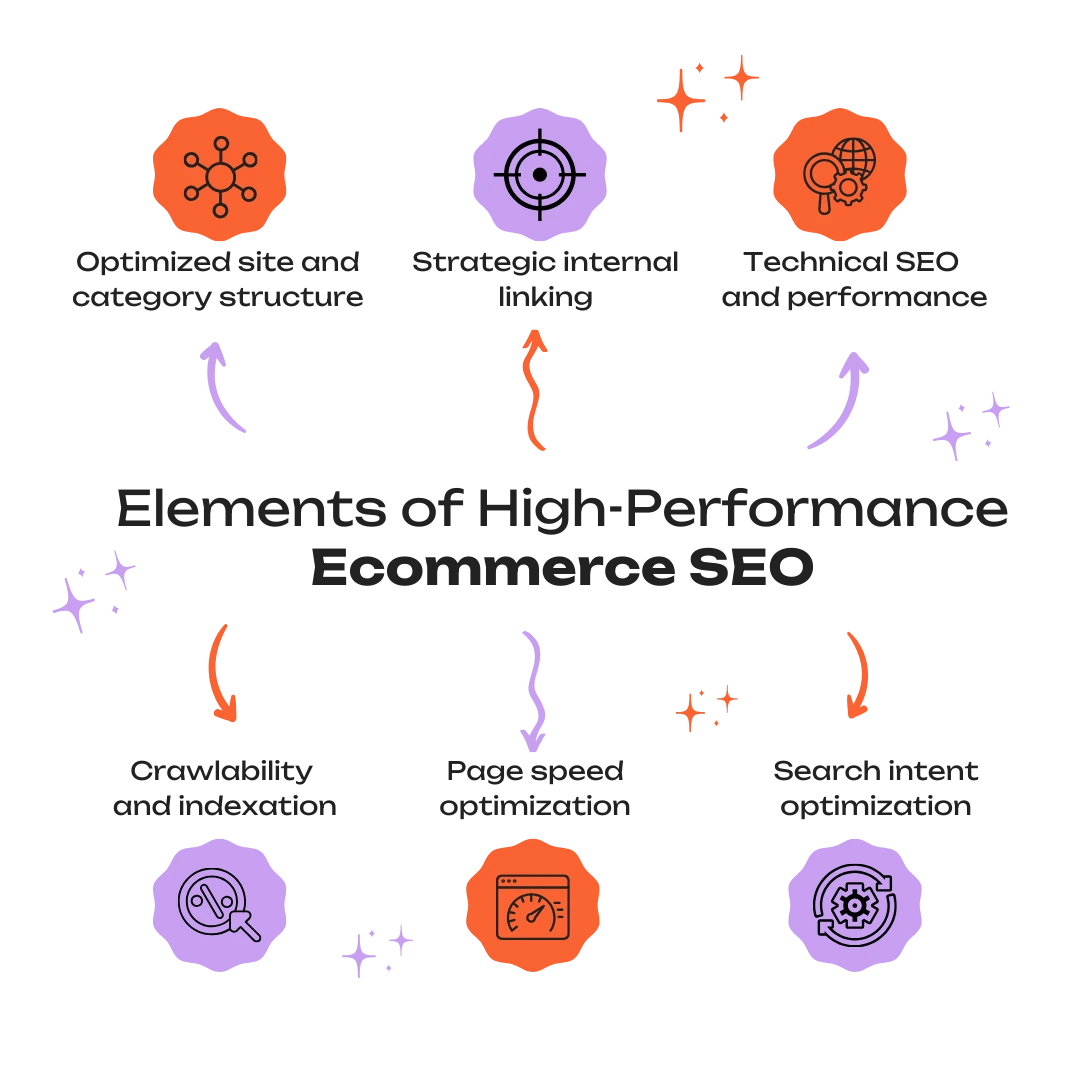
Strong ecommerce SEO isn’t achieved at launch—it’s built over time. Our ecommerce web design packages support ongoing SEO growth by continuously refining site structure, category hierarchy, internal linking, and technical performance.
As your products, content, and search landscape evolve, we optimize for crawlability, page speed, and search intent—ensuring your ecommerce website remains visible, competitive, and aligned with how customers actually search.
Rather than relying on one-time optimization, our approach focuses on continuous improvement. Through regular analysis and iterative updates, we strengthen the SEO foundations that drive qualified traffic, protect rankings, and support long-term ecommerce growth as your store scales.
conversion optimization
Ecommerce Web Design Packages Focused on Conversion Rate Optimization
Traffic alone doesn’t drive revenue—conversion does. Our ecommerce web design packages include ongoing conversion-focused improvements designed to reduce friction and guide users toward purchase.
Through UX refinements, layout improvements, clearer calls-to-action, and optimized checkout flows, we continuously improve how visitors interact with your store. Small, data-informed changes compound over time, leading to higher conversion rates and better customer experiences.
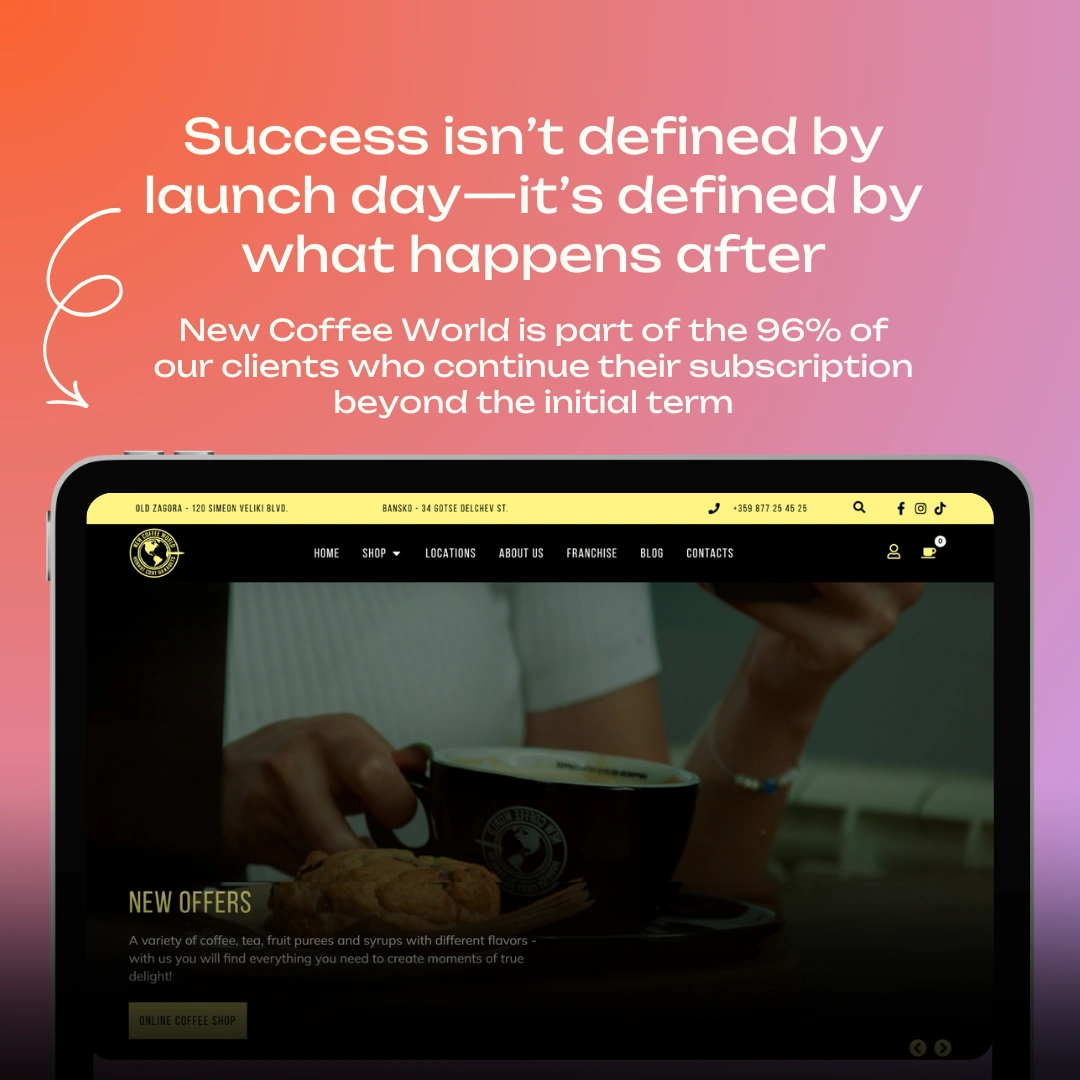
96% of our clients continue their subscription after the initial period ends
This retention rate reflects long-term trust and consistent value—not one-off projects.
On average, each client works with us on 1.4 websites
Many clients return to WOW Portals with additional projects or expand their subscription as their business grows.
More than 34% of new clients are referred by existing partners
When businesses recommend WOW Portals, it’s not based on a single project—it’s the result of an ongoing partnership.
LONG-TERM PARTNERSHIP
A Long-Term Ecommerce Partner, Not Just a Web Design Vendor
At WOW Portals, we don’t approach ecommerce web design as a one-off deliverable. Our ecommerce web design packages are built around long-term partnership and shared outcomes—not short-term projects.
Through our subscription model, we work alongside your team continuously. Over time, we develop a deep understanding of your brand, products, customers, and growth goals. That context allows us to make smarter design decisions, prioritize the changes that matter most, and continuously improve your ecommerce website with purpose.
Instead of starting from scratch every time you need an update, WOW Portals becomes an extension of your business—refining design, improving performance, and helping your ecommerce website deliver consistent, measurable results as you grow.
Why you need to act now
Don’t Let Outdated Ecommerce Websites Cost You Sales
Ecommerce websites don’t stay effective forever. Industry benchmarks show that ecommerce sites typically begin to lose performance within 18–30 months, as design patterns age, page speed declines, and user expectations evolve. At the same time, studies consistently show that users form trust judgments in seconds, with design quality, usability, and speed playing a decisive role in whether shoppers stay or leave.
While your website stays static, competitors are continuously improving theirs. Faster product pages, clearer navigation, smoother checkout flows, and ongoing SEO optimization allow them to capture traffic and sales that could have been yours. Our ecommerce web design packages are built to prevent that gap—helping your store stay visible, competitive, and conversion-ready over time.
Ready to Turn Your Ecommerce Website Into a Growth Asset?
If your ecommerce website isn’t driving consistent sales, it’s time to rethink how it’s built and how it evolves. Our ecommerce web design packages are designed around strategy, conversion, and long-term performance—not one-time launches.
Start a conversation with WOW Portals. We’ll assess what’s limiting your ecommerce store today and outline how a subscription-based approach can turn your website into a scalable, revenue-driving system.
Strategy Call
with Adrian

Adrian brings over 10 years of experience helping businesses grow through strategic web design, SEO, and conversion-focused digital systems.
He and our team will work closely with you to understand your goals, identify opportunities, and turn your website into a reliable driver of leads and revenue.
you ask, we answer
Frequently Asked Questions about Web Design
What are ecommerce web design packages and what do they include?
Ecommerce web design packages are structured service offerings that combine strategy, design, development, and optimization into a cohesive solution for building and growing an online store. Unlike ad-hoc web design services or one-time website builds, ecommerce web design packages are designed to address the full lifecycle of an ecommerce website—from initial planning and launch to ongoing performance improvements.
At their core, ecommerce web design packages include several foundational components. These typically start with strategic discovery and planning. This phase focuses on understanding your business goals, target audience, competitive landscape, and technical requirements. Instead of designing in isolation, the website is planned around how users browse, compare products, and make purchasing decisions.
Design is another core element of ecommerce web design packages. This goes beyond visual aesthetics. Effective ecommerce design considers usability, accessibility, mobile responsiveness, and clarity. Product pages, category layouts, navigation systems, and calls-to-action are all designed with conversion in mind. The goal is to remove friction and guide users naturally toward purchase.
Development is equally critical. Ecommerce web design packages usually include custom development on a platform such as WooCommerce or another scalable ecommerce system. This involves building product structures, payment flows, checkout processes, and integrations with third-party tools such as shipping providers, payment gateways, analytics platforms, and marketing tools. Clean code, performance optimization, and scalability are essential components, especially for stores that plan to grow.
A key differentiator between basic ecommerce design services and modern ecommerce web design packages is the inclusion of optimization. High-quality packages don’t end at launch. They account for the reality that ecommerce websites need ongoing updates, performance tuning, SEO improvements, and conversion optimization. Search algorithms change, customer behavior evolves, and competitors improve—packages that include ongoing optimization are designed to keep pace with these changes.
Subscription-based ecommerce web design packages take this concept further. Instead of paying for a large upfront project and then budgeting separately for changes, a subscription model spreads investment over time and allows for continuous improvement. This often includes regular design updates, UX refinements, SEO enhancements, and performance improvements as part of the package.
Ultimately, ecommerce web design packages exist to reduce uncertainty. They provide clarity on scope, process, and outcomes while aligning design and development work with business growth. Rather than purchasing a website as a static asset, businesses invest in a system that evolves alongside their ecommerce strategy.
How are ecommerce web design packages different from one-time ecommerce website builds?
The main difference between ecommerce web design packages and one-time ecommerce website builds lies in how success is defined. Traditional one-time builds focus on delivering a finished website. Ecommerce web design packages focus on delivering ongoing performance.
With a one-time ecommerce build, the process typically ends at launch. Design, development, and basic testing are completed, the site goes live, and future improvements are handled as separate projects. This model often leads to delays, additional costs, and missed opportunities, especially as the website begins to age.
Ecommerce web design packages take a longer-term view. Instead of treating the website as a completed product, they treat it as a dynamic system. The package structure allows for continuous iteration—improving usability, refining design elements, optimizing conversion paths, and adapting to changes in search behavior or customer expectations.
Another key difference is cost predictability. One-time ecommerce builds usually involve large upfront investments followed by unpredictable expenses for updates, fixes, or redesigns. Ecommerce web design packages—particularly subscription-based ones—replace this uncertainty with a predictable monthly investment. This allows businesses to plan confidently while ensuring the website receives consistent attention.
From a performance standpoint, ecommerce web design packages also outperform one-time builds because they support ongoing optimization. Conversion rate optimization, SEO improvements, and performance tuning are not one-off tasks. They require data, testing, and refinement over time. Packages that include these elements help ecommerce businesses compound results rather than plateau after launch.
There’s also a strategic difference in how decisions are made. One-time builds often rely on assumptions made during the initial project phase. Ecommerce web design packages allow decisions to be informed by real user behavior, analytics, and performance data collected after launch. This leads to better outcomes and fewer costly redesigns.
In short, one-time builds prioritize completion. Ecommerce web design packages prioritize growth. For businesses that see ecommerce as a long-term revenue channel rather than a short-term project, packages offer significantly more value.
Are ecommerce web design packages worth the investment for growing online stores?
For growing online stores, ecommerce web design packages are often more cost-effective and impactful than traditional project-based approaches. Growth introduces complexity—more products, higher traffic, increased customer expectations, and greater competition. Ecommerce websites that don’t evolve alongside this growth tend to underperform.
One of the biggest advantages of ecommerce web design packages is alignment. The package structure ensures that design, development, SEO, and conversion optimization are working toward the same goals. Instead of reacting to problems as they arise, improvements are planned and prioritized strategically.
Growing ecommerce businesses also benefit from the speed and flexibility of packaged services. When updates are part of an ongoing package, changes can be implemented faster. This is particularly important in ecommerce, where delays can directly impact revenue. Seasonal campaigns, new product launches, and promotional changes require agility that one-off projects often can’t provide.
From an ROI perspective, ecommerce web design packages help reduce waste. Instead of spending large sums on infrequent redesigns, businesses invest consistently in improvements that compound over time. Small UX enhancements, incremental SEO gains, and conversion optimizations can have a measurable impact on revenue when applied consistently.
There’s also a risk-management aspect. Ecommerce websites are critical business assets. Performance issues, outdated design patterns, or technical limitations can quickly lead to lost sales. Ecommerce web design packages reduce this risk by ensuring the website is regularly reviewed, updated, and optimized.
For growing stores without large in-house teams, ecommerce web design packages also provide access to specialized expertise. Design, UX, development, SEO, and conversion optimization are handled by professionals who understand ecommerce best practices and evolving trends. This allows internal teams to focus on operations, marketing, and growth rather than technical maintenance.
Ultimately, ecommerce web design packages are worth the investment for businesses that want predictable progress, better performance, and a website that supports growth rather than limits it. They shift the focus from launching a website to continuously improving a revenue-generating system.
How do subscription-based ecommerce web design packages support long-term growth?
Subscription-based ecommerce web design packages are designed around the reality that ecommerce success is built over time. Search visibility, conversion rates, and customer trust improve through iteration—not through one-time launches.
With a subscription model, improvements are ongoing. Design updates, UX refinements, performance optimization, and SEO enhancements are implemented continuously rather than postponed until the next redesign. This prevents stagnation and keeps the ecommerce website aligned with changing user expectations and market conditions.
Another advantage of subscription-based ecommerce web design packages is continuity. Over time, the design and development team gains deep familiarity with the brand, product catalog, customers, and business goals. This context leads to better decision-making and more effective prioritization of improvements.
Subscription packages also reduce friction. Instead of renegotiating scope and cost for every change, businesses can focus on outcomes. The website evolves steadily, supported by a predictable monthly investment rather than sporadic expenses.
For long-term growth, this model is especially effective. It allows ecommerce businesses to adapt quickly, test ideas, refine performance, and scale without disruptive rebuilds. Rather than falling behind competitors who continuously optimize, subscription-based ecommerce web design packages help businesses stay competitive, visible, and conversion-focused year after year.
How long does it take to build an ecommerce website with a design package?
The timeline for building an ecommerce website using ecommerce web design packages depends on several factors, including project scope, product complexity, required integrations, and the level of customization involved. While timelines vary, it’s important to understand that quality ecommerce websites are rarely built overnight.
In a traditional one-time build, timelines are often compressed to meet launch deadlines. While this may result in a functional website, it can limit the depth of strategy, testing, and optimization applied before launch. Ecommerce web design packages take a more realistic approach by focusing on sustainable progress rather than rushed completion.
Typically, the initial launch phase of an ecommerce website may take anywhere from several weeks to a few months. This includes discovery, UX planning, design, development, testing, and launch preparation. The goal of this phase is to deliver a strong foundation—one that is stable, usable, and ready for real customers.
What differentiates ecommerce web design packages is what happens after launch. Instead of treating launch as the end point, packages are designed to continue work beyond go-live. Improvements to design, performance, SEO, and conversion are implemented iteratively, based on real user behavior and performance data.
This approach offers two major advantages. First, it reduces pressure to “get everything perfect” before launch, allowing the business to enter the market sooner. Second, it ensures that the website continues to improve over time rather than remaining static.
Subscription-based ecommerce web design packages are particularly effective in this regard. They allow businesses to prioritize features and improvements over time, adapting the website as products, customers, and business goals evolve. Rather than delaying launch until every possible feature is complete, businesses can focus on launching strong and optimizing continuously.
The key takeaway is that ecommerce web design packages are not about speed alone—they’re about balance. A well-structured timeline ensures quality at launch while leaving room for growth and refinement afterward. This leads to better outcomes than rushing development or relying on infrequent redesign cycles.
Will my ecommerce web design package be optimized for SEO from the start?
SEO should never be an afterthought in ecommerce web design, and high-quality ecommerce web design packages account for this from the very beginning. Ecommerce websites are complex by nature, and SEO performance is heavily influenced by site structure, page speed, internal linking, and usability—all elements that are determined during design and development.
Ecommerce web design packages that prioritize SEO start with proper planning. Category structures, product hierarchies, URL formats, and navigation systems are designed with search intent and crawlability in mind. This ensures that search engines can efficiently index the site and understand the relationships between pages.
Technical SEO is another foundational component. Page speed, mobile responsiveness, clean code, and secure connections all influence search rankings. Ecommerce web design packages typically include performance optimization measures that improve load times and user experience—both critical ranking factors.
On-page SEO considerations are also integrated into the design process. Product pages, category pages, and informational content areas are structured to support keyword targeting without sacrificing usability. Clear headings, logical layouts, and content flexibility allow for future SEO improvements without redesigning the site.
What truly sets advanced ecommerce web design packages apart is ongoing SEO support. Search behavior changes, competitors adjust their strategies, and algorithms evolve. Subscription-based packages allow SEO improvements to continue over time—through internal linking updates, structural refinements, and performance enhancements.
Rather than relying on a one-time SEO setup, ecommerce web design packages treat SEO as a continuous process. This approach ensures that the website remains aligned with best practices and continues to grow organic visibility as the business expands.
In short, ecommerce web design packages should be SEO-ready at launch—but also SEO-capable long after. That combination is what supports sustainable search growth.